
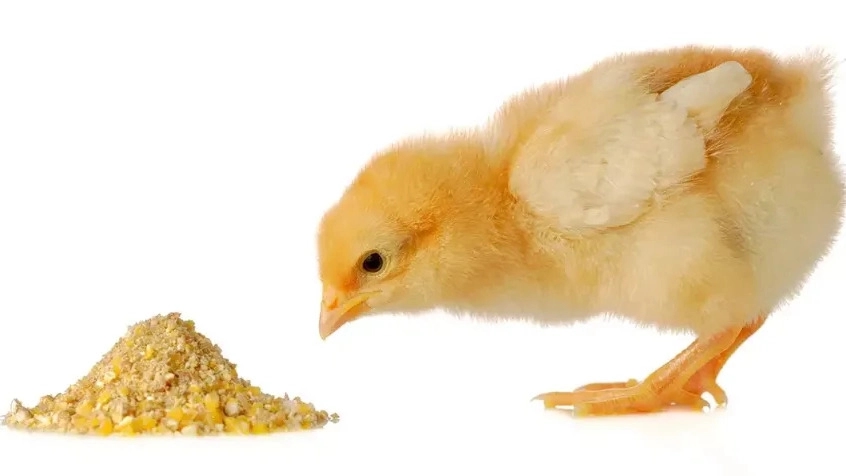
Poultry farming refers to the breeding of different types of domestic poultry such as chickens, geese, ducks, turkeys and quails in order to produce meat, eggs and feathers. Also, it includes providing housing, feed and proper care of chickens to ensure their health and productivity. The poultry industry consists of four main areas of production: broiler; eggs; young chicken; laying hen Chicken manure can also be used as a natural fertilizer for gardens and farms, further increasing sustainability. According to the Slow Food Foundation, in September ****, a meeting was held on "Alternative Solutions for Sustainable Poultry Farming" and explored how these practices can strengthen local agricultural economies and provide nutritious and environmentally friendly alternatives to conventional feed. give.
chickens
Broilers: Raised to provide meat, they are usually fast growing and high weight. Famous breeds include Roan, Ross and Cordon.
Laying chickens: bred to produce eggs, they have characteristics such as fertility and longer lifespan. Breeds like Laing Hen and Eicher are included in this category.
Chick Nutrition
Proper nutrition for chickens is of particular importance and includes the following:
Protein: Chickens need high protein for growth and sources such as soybean meal and corn are used.
Carbohydrates: Grains such as corn and barley are used to provide energy.
Vitamins and Minerals: To maintain health and improve the immune system, the diet should include B vitamins and minerals such as calcium and phosphorus.
nurture and management
Chicken breeding management includes:
Suitable environment: Providing optimal conditions in terms of temperature, humidity, and ventilation.
Sanitation: Prevention of diseases through health management and regular vaccination.
Space creation: Providing enough space for movement and preventing excessive accumulation of chickens.
Growth and Production
Duration of growth: Broilers usually reach an acceptable weight in 6 to 8 weeks and are ready for slaughter.
Egg production: Laying chickens usually hatch from 5 They start laying eggs by the age of 6 months and can produce eggs for 1-2 years.
Challenges and Problems
Poultry industry with challenges such as:
Diseases: Diseases such as Newcastle and Avian Flu which can have a huge impact on production.
Market fluctuations:< /b> Feed price and supply and demand can have a direct effect on the profitability of this industry.
Environmental Impacts
Raising chickens, like other animal husbandry industries, also has environmental impacts. Paying attention to sustainable practices and reducing waste and resource consumption can help preserve the environment.
Future Chicken Breeding
Due to the increase in population and the need for protein sources, the chicken breeding industry is moving towards innovation and the use of new technologies. Developing sustainable methods and optimizing production processes can help improve performance and reduce costs.